
Co-creating a city-wide anti-racism strategy through community voice
Habitus brought rigour and clarity to the process while keeping community voices at the centre. They understood that this could not feel like just another consultation, it had to lead to real action.
- Managing Lead, Anti-Racism Program, The City of Calgary
Building a strategy from community voices
In June 2020, Calgary City Council passed a Notice of Motion committing the city to anti-racism action. This included holding public consultation on systemic racism, establishing an Anti-Racism Action Committee, and developing a community-based anti-racism strategy.
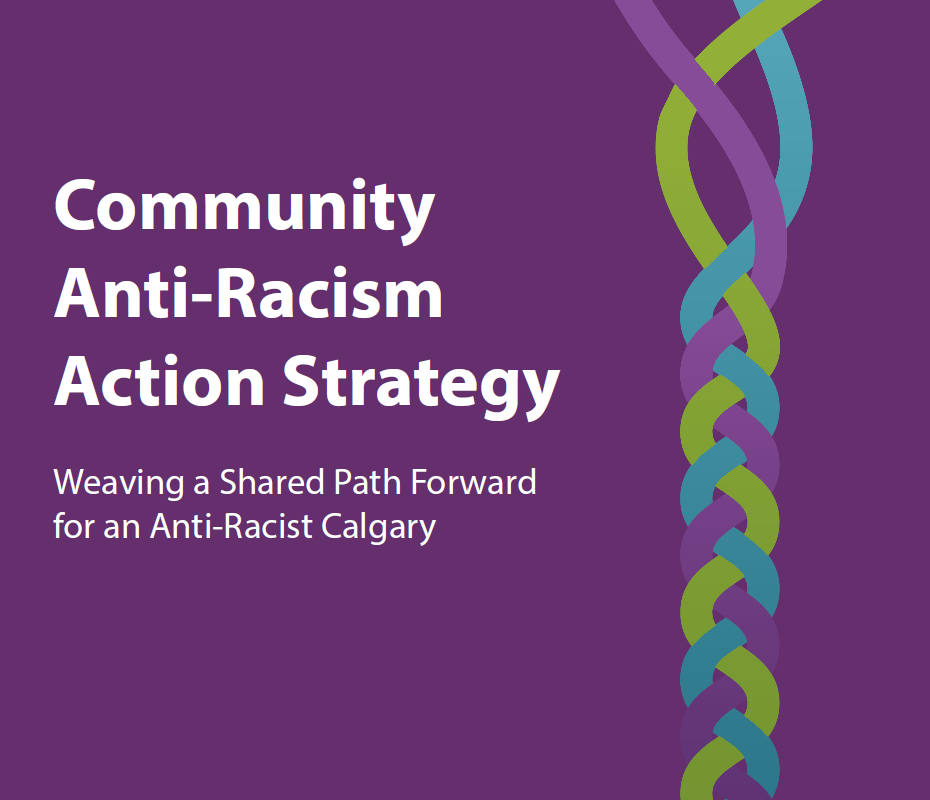
The City contracted Habitus to lead the development of the Calgary Community Anti-Racism Action Strategy, in partnership with ActionDignity. Habitus led on engagement design, research, analysis, and writing the final strategy, while ActionDignity brokered relationships and connected us with ethno-cultural communities across the city. The strategy would focus on the City's role in addressing systemic racism across its community-based services, with actions grounded in the experiences and ideas of those most affected.
Challenges
Engaging meaningfully with racialised communities on issues of racism requires more than standard consultation approaches. Many communities have experienced extractive engagement where their stories are gathered but little changes as a result. Trust needed to be built, and the process needed to be led by community voices rather than imposed by the institution.
The scale was significant: reaching diverse communities across a city of 1.4 million people, ensuring different voices were heard, and creating a strategy with concrete actions rather than abstract commitments. All engagement would need to be delivered online due to COVID-19, adding complexity to building trust and creating safe spaces for people to share experiences of racism.
What we did
Our work spanned three phases over 18 months:
Phase 1 — Planning: We developed a plan for engaging the community, co-created with the Anti-Racism Action Committee and key community members. This laid the foundation for authentic engagement rather than tokenistic consultation.
Phase 2 — Engagement: We engaged with 4,000 community members through a series of online events and workshops, co-hosted by organisations and groups that serve or represent equity-seeking communities. A community broker model was central to the approach, with brokers supporting engagement and helping people feel safe to participate. Participants could share their thoughts through events, surveys, one-to-one conversations, or through art. Contributions could be anonymous and given in participants' first languages. Peer support was offered to those who needed it after sharing at events.
Phase 3 — Co-analysis and strategy development : All feedback was co-analysed with key community members who represented racialised community groups. We created clear actions for the local authority to take forward. We hosted a community event to share a "What We Heard" report, ensuring the ideas being put forward reflected the ideas of the community before submission to the City.
How we made a difference
Our approach centred community relationships throughout. By partnering with ActionDignity and using a community broker model, we were able to reach people who might not otherwise engage with City consultations. The brokers were key; they helped build trust and supported people to participate safely.
The co-analysis process was critical. Rather than taking community feedback away to be interpreted by external consultants, we worked alongside community members to make sense of what was heard. This meant the final strategy genuinely reflected community priorities, not institutional assumptions about what those priorities might be.
The action-oriented nature of the project helped it feel different from "just another consultation." People knew their contributions would lead to concrete actions, not just a report that sits on a shelf. This, combined with the peer support offered after events, helped the process to be genuinely trauma-informed.
Results
The engagement reached 4,000 community members across Calgary, gathering experiences, ideas, and recommendations for change. The "What We Heard" report was validated by the community before submission, ensuring authenticity.
The City of Calgary approved the final Community Anti-Racism Action Strategy. The strategy provides concrete actions focused on three pillars of City service: Social Wellbeing, Neighbourhood Life, and Community Safety.
Following the success of this work, Habitus was invited to work with Calgary Police and Public Safety Departments, extending the approach into new areas of city services. See our Calgary Police Service and Public Safety case studies for more on this work.
See our work in action: We designed and built the online engagement portal for this project. Explore it here to see how we created accessible, multilingual spaces for community participation.
Lorelei Higgins, Community Lead Anti-Racism Program, City of Calgary: "Working with Habitus and ActionDignity meant we could reach communities we had never engaged with before. The community broker model and the care taken to offer support after events made people feel safe to share experiences that are often painful to talk about."
Habitus has a track record of designing engagement that centres the voices of those often unheard, and supporting organisations to turn what they hear into concrete action. If you are looking to develop anti-racism strategies, engage with equity-seeking communities, or create more inclusive consultation processes, get in touch.