Exploring crisis alternatives for young people: A youth-led feasibility study
“Habitus brought a genuinely youth-led approach to this work. Their way of working was innovative, relational, and action-focused. They created space for creativity that brought out the best in everyone involved."
- Alana Salsberg, Strategic Partnerships & Stakeholder Engagement Lead, Frayme
Rethinking crisis care for young people
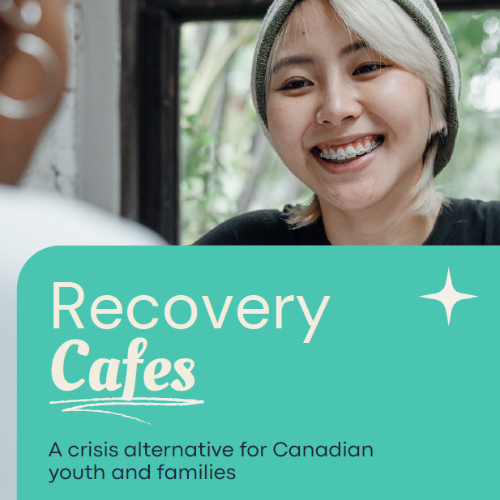
When young people experience a mental health crisis, they often end up in emergency rooms. But emergency departments are not always the most suitable or supportive environment for someone in distress. Internationally, a growing movement of Recovery Cafés and crisis cafés offer an alternative: community-based spaces where people can access support in a calmer, more welcoming setting.
Frayme wanted to explore whether this model could work in Canada, and if so, what it should look like. Crucially, they wanted young people with lived experience at the centre of the process, not just as participants but as researchers and co-designers.
Challenges
Adapting an international model for a Canadian context required more than desk research. It needed genuine insight into what young people actually want and need during a moment of crisis, gathered in ways that respected their experiences and expertise.
This meant training and supporting young people to lead the research themselves, using trauma-informed approaches that recognised both the value and the demands of drawing on lived experience.
What we did
We worked with Frayme to design and deliver a youth-led feasibility study combining research, peer researcher training, and participatory design.
Building the evidence base: We identified and collated existing evidence on the impact of community-based crisis programmes and their ability to divert young people from emergency services, drawing on international best practice and our global connections.
Training peer researchers: We trained four young people with lived experience as peer researchers. They were equal co-investigators, involved in shaping research questions, collecting data, and analysing findings. Training was delivered using a trauma-informed approach, ensuring young people were clear on the purpose of the work, their autonomy, and how to navigate the emotional demands of research.
Co-designing research questions: We used participatory methods to ensure the research reflected what mattered to young people. For example, we used a Jamboard session to "tear down" and rebuild our proposed research questions with peer researchers, enabling genuine challenge and co-ownership.
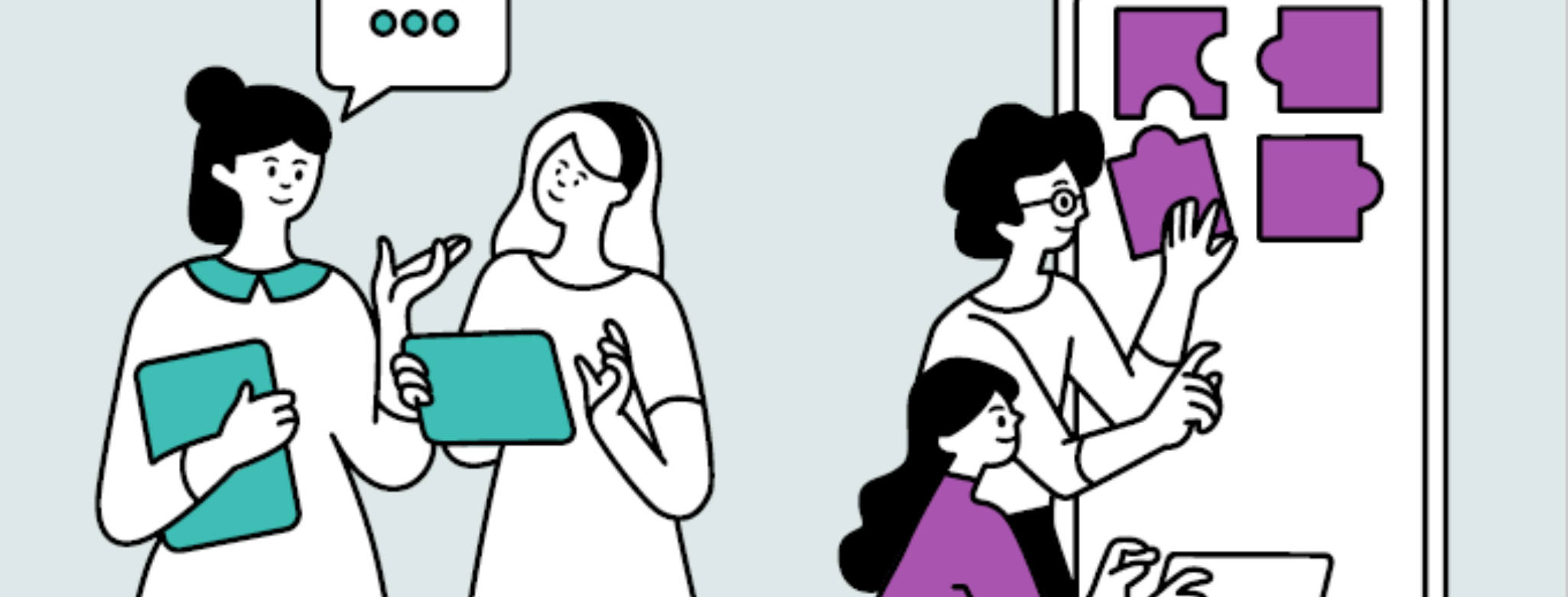
National hackathon: We co-designed and facilitated a national hackathon bringing together young people, service providers, policymakers, and researchers in a design sprint environment. Using rapid ideation, prototyping, and testing, participants generated alternatives to crisis care. Sessions were designed to be engaging, accessible, and equitable, using creative facilitation methods including visual storytelling, rapid sketch prototyping, and mapping tools.
Holding complex spaces: Throughout, we navigated power dynamics between young people, clinicians, policymakers, and researchers, prioritising equity and ensuring youth voices were genuinely heard.
How we made a difference
This project demonstrated what becomes possible when young people are trusted to lead. The peer researchers brought insights that would never have emerged from traditional research methods, and the hackathon generated actionable prototypes at pace.
We showed how participatory design methods, including design hack days and experimentation, can be used to tackle complex system challenges. By training and empowering young people as co-leaders of the design process, we created a model that others can learn from.
We also learned important lessons about working with peer researchers: the importance of being clear on the "why," protecting autonomy, enabling respect and challenge, and recognising each individual's contributions through personal references.
Results
The feasibility study provided insights into the potential adoption of a community-based mental health crisis alternative model in Canada. The knowledge gained is now being mobilised across Frayme's extensive national network to support scaling and adoption of a country-wide model.
The project demonstrated Habitus's ability to train and empower young people as co-leaders of design processes, and showed how hackathon and sprint methods can generate actionable prototypes while navigating complex, multi-stakeholder spaces where power dynamics must be carefully managed.
Travis Sztainert, Knowledge Mobilization Specialist, Frayme: "The feasibility study gave us the evidence and the model we needed to make the case for crisis alternatives across Canada. The hackathon outputs are already informing conversations with partners in our national network.".
Read more
We wrote about this project on our blog: Canada's Youth Deserve More or read the report below.
Habitus has deep expertise in participatory research, peer research training, and bringing diverse stakeholders together to co-design solutions. If you are looking to involve people with lived experience as genuine partners in research or service design, get in touch.